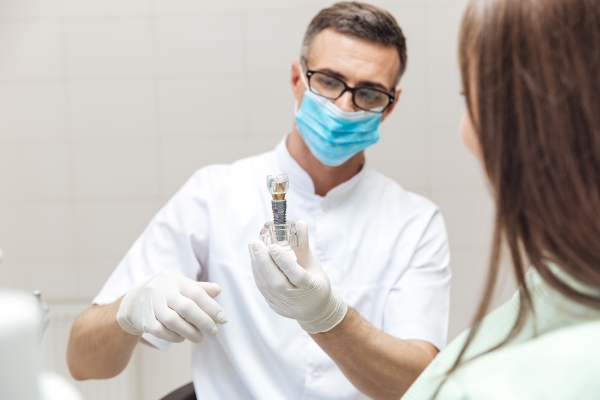
 An implant dentist is a dental professional who specializes in dental implant care. They can help their patients understand how important it is to keep up with good oral hygiene to extend the longevity of their dental implants. Although implants are strong and not prone to decay, they still need regular care to avoid problems like gum disease or peri-implantitis. By maintaining a good oral hygiene routine, people can keep their implants and the surrounding tissues healthy for many years.
Daily oral hygiene practices
Dental implants function like natural teeth but require specialized care to prevent plaque buildup and inflammation. Proper oral hygiene with dental implants prevents complications, supports gum health, and ensures long-term success. An implant dentist recommends the following daily habits to maintain oral health:
- Brushing twice a day: Use a soft-bristled toothbrush and non-abrasive toothpaste to clean around the implants without scratching their surface. Electric toothbrushes can also be effective in removing plaque.
- Flossing once a day: Special implant-friendly floss or interdental brushes help clean areas around the implants where food particles and plaque can accumulate.
- Using an antimicrobial mouthwash: Rinsing with a non-alcoholic antimicrobial mouthwash helps reduce bacteria around the implant site and protects the gums.
Maintaining a consistent oral hygiene routine minimizes the risk of oral infections and promotes long-term implant stability.
Professional dental care for implant maintenance
Regular visits to an implant dentist are essential for maintaining oral health and detecting any early signs of complications with the dental implant. Professional cleanings help remove plaque and tartar buildup that may not be eliminated with daily brushing and flossing. During checkups, an implant dentist will assess the implant's stability, evaluate gum health, and provide recommendations for improved oral care.
Most individuals benefit from professional cleanings and examinations at least twice a year. However, those with a history of gum disease or other risk factors may require more frequent visits to ensure implant health.
Avoiding common risks
While dental implants are a durable solution for tooth replacement, certain habits and conditions can compromise their success and longevity. An implant dentist advises avoiding the following to protect implants and surrounding gum tissue:
- Smoking and tobacco use. These can slow healing after implant placement and increase the risk of implant failure.
- Chewing on hard objects. Avoid biting on ice, hard candies, or using teeth as tools, as excessive pressure may damage the implant or restoration.
- Poor oral hygiene. Inadequate brushing or flossing can lead to gum inflammation and peri-implantitis, which, if left untreated, may cause implant failure.
Protecting dental implants requires daily care and an awareness of potential risks that can affect their long-term success.
Long-term benefits of proper implant care
Healthy implants improve how you eat, boost your confidence, and support your overall well-being. An implant dentist can give you personal advice to help you take care of your implants for a lifetime of healthy smiles. Call our San Luis Obispo for more information or to schedule a consultation.
Request an appointment or call Islay Hill Dentistry Co. at 805-316-4968 for an appointment in our San Luis Obispo office.
Related Posts
If you are missing teeth or unhappy with the fit or look of your dentures, an implant dentist may be the solution. However, choosing the right dentist is crucial to ensuring a successful and comfortable outcome. With so many dentists offering implant services, it can be overwhelming to know where to start. This post will…
Dental implants are one of the best and most permanent ways to replace missing teeth, but you must follow a lengthy and intricate process. With the help of an implant dentist, you can go through the lengthy process with ease, ensuring the procedure is a success. This article will review the process one can expect…
There are specific signs that an implant dentist looks for to determine if dental implants are appropriate for a patient. In this review, we discuss these signs to help you make an informed decision about your choice for teeth replacement.Dental implant treatment involves the placement of implants into the jaw, followed by the attachment of…